Three Weeks Across Southeast Asia
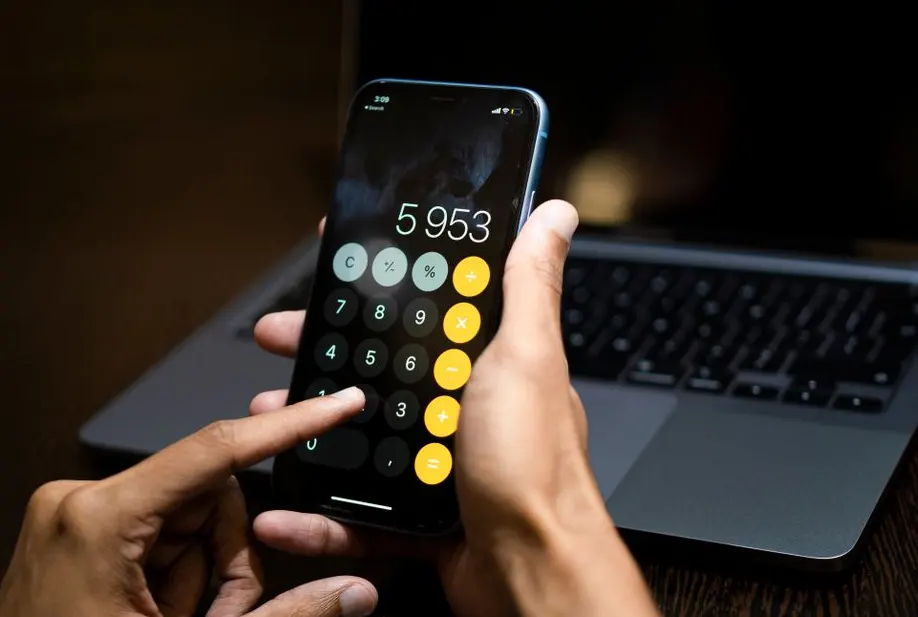
A backpacker set a daily limit of £35 and logged every purchase in baht, dong and rupiah. The app converted each entry into pounds on the spot. By week two the traveller could see which days ran over and why.
These are real use cases from travellers and small groups who track their spending with Jareji. Each one started with a different problem: split bills, foreign cash, a shared budget. Here is what they set up and what they ended up with.
A backpacker set a daily limit of £35 and logged every purchase in baht, dong and rupiah. The app converted each entry into pounds on the spot. By week two the traveller could see which days ran over and why.

Lift passes, groceries and a rental car were paid by different people. The group added each cost to a shared trip and let the app calculate who owed whom. Nobody had to keep a spreadsheet or chase anyone afterwards.
A consultant photographed each receipt at the table and tagged it by client. At the end of the month the expenses exported as a single report. Preparing the claim took minutes instead of an evening with a shoebox of paper.
Euros, Swiss francs and Czech koruna in one week made mental maths unreliable. The traveller entered prices in local money and watched the running total in pounds. Card fees were logged as separate lines so they stayed visible.
A family planned a £2,400 holiday budget and split it into food, transport, activities and spare cash. Categories showed early that meals were taking more than planned, so they moved the money from activities before it became a problem.
On a remote route there was no mobile data for days. The traveller kept logging costs offline, and the app synced everything once a connection returned. The final summary matched the notes made on the trail.
Tell us how you travel and how you share costs. We will show you how to set up your first trip in the app.
Get in touch